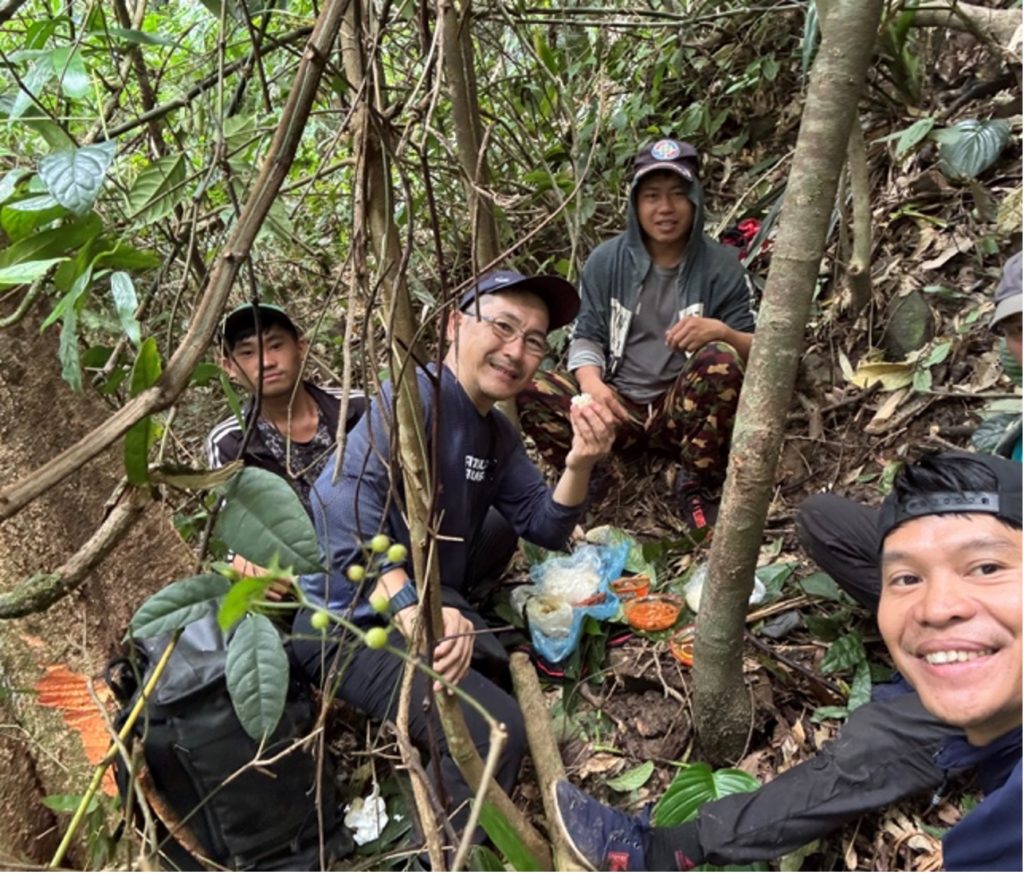
From September 2 to 15, 2025, members of the Motokawa Vertebrate Zoology (MVZ) Team from Japan, Laos, and Vietnam conducted a comprehensive field survey in Xaichamphone District, Bolikhamxai Province, Lao PDR, under the support of the Nagao Natural Environment Foundation (Nagao NEF).
This expedition continued the long-term collaborative project “Species Diversity of Terrestrial Vertebrates in the Mountains of Indochina” led by Prof. Masaharu Motokawa (Kyoto University), aiming to document vertebrate diversity and promote regional conservation efforts.
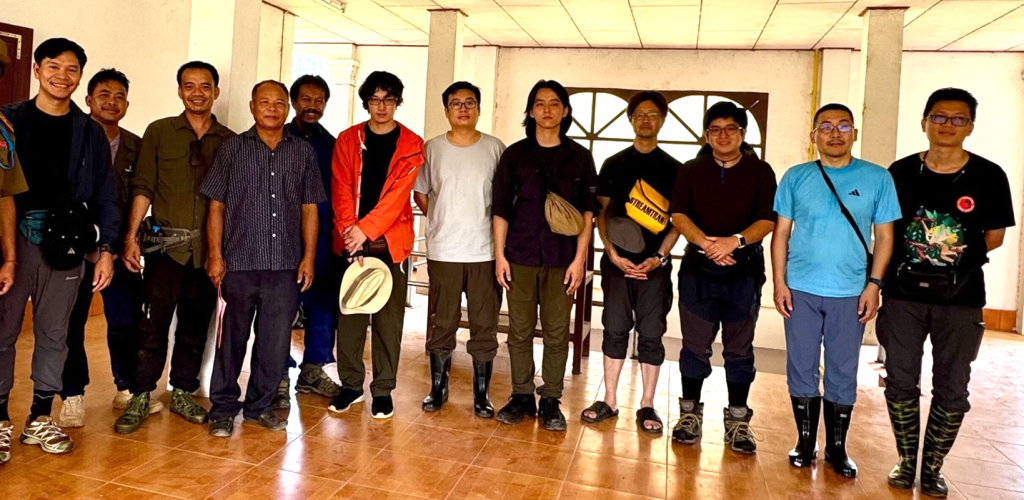
The field team included Prof. Masaharu Motokawa (leader), Dr. Kanto Nishikawa, Dr. Yugo Ikeda, Dr. Yukio Ichioka, and Mr. Yuichiro Yokoyama from Japan; Dr. Daosavanh Sanamxay (coordinator), Dr. Bounsavane Douangboubpha, Mr. Vilakhan Xayaphet, and Mr. Chanthavong Keovongsy from Laos; and Dr. Bui Tuan Hai and Dr. Hoang Van Chung from Vietnam.
Their joint mission focused on surveys of small mammals, bats, and amphibians/reptiles, while also strengthening research collaboration among Kyoto University, Faculty of Environmental Science – National University of Laos (FES–NUoL), VNU University of Science, and Institute of Biology – Vietnam Academy of Science and Technology (IB-VAST)
After obtaining permissions from Bolikhamxai authorities, the team established a base near Nam Kaeng Stream, an ecologically rich lowland–hill transition zone.
Three specialized groups—Rodent, Bat, and Herpetofauna—carried out daily and nightly surveys:
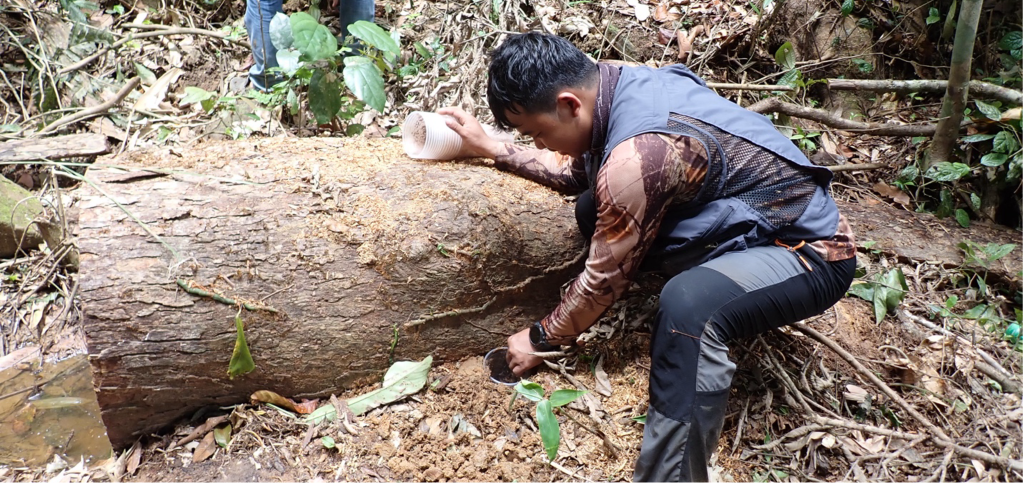
The Rodent Group deployed more than 300 traps (Sherman, mole, cage, and pitfall) along forest edges and streams, documenting multiple small mammal species.
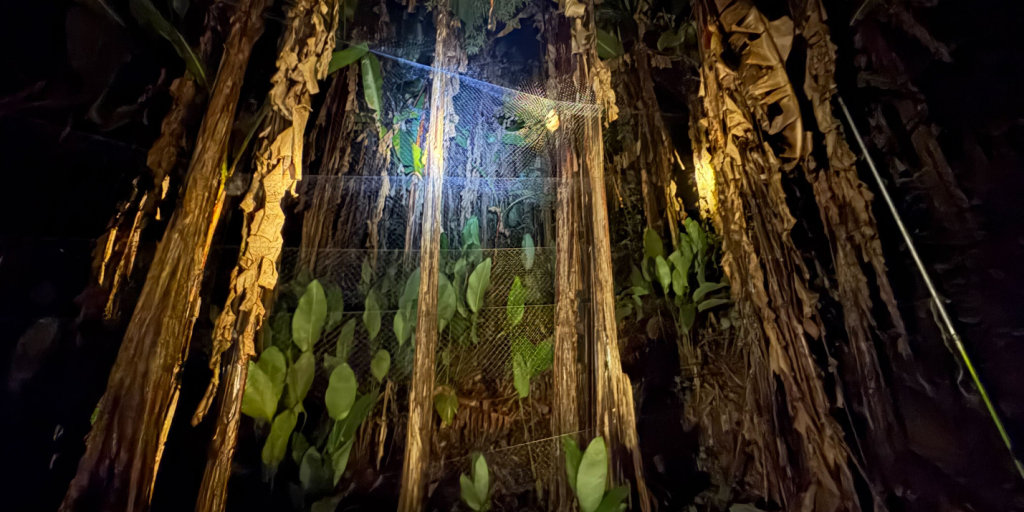
The Bat Group installed mist nets, harp traps, and SM4 acoustic recorders, capturing and recording over 120 individuals, many identified to species and preserved as reference specimens for FES and Kyoto University.
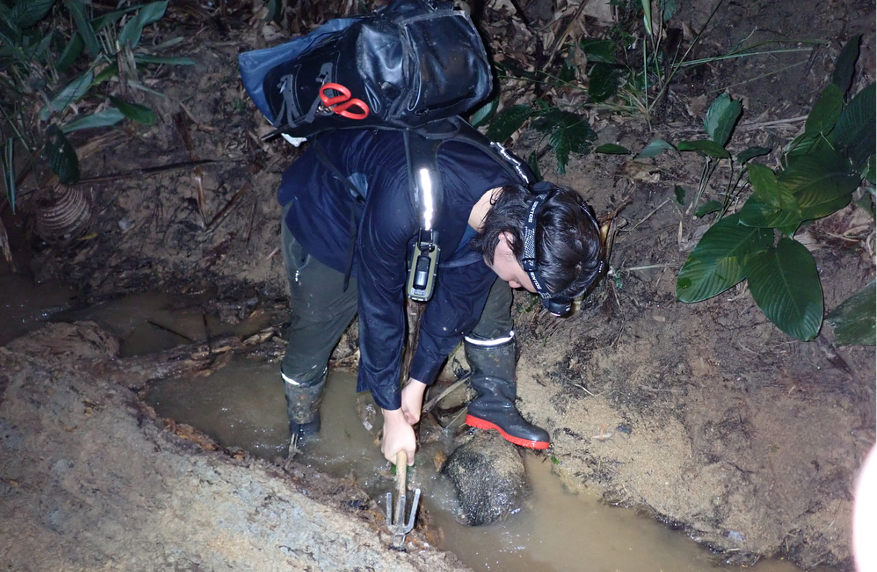
The Herpetofauna Team used drift fences, funnel traps, and visual encounter surveys, collecting over 90 amphibian and reptile specimens, including several noteworthy range extensions
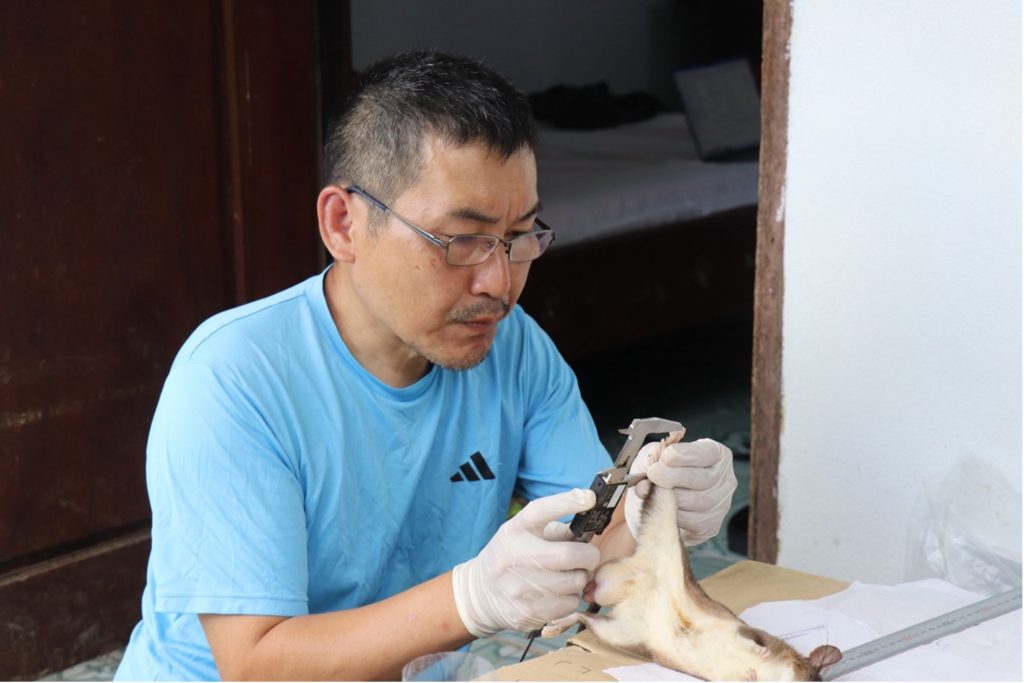
Specimens were photographed, measured, and properly curated in ethanol, while live individuals were documented and released. Daily coordination meetings ensured consistency in data collection, GPS logging, and sample labeling across all research groups.
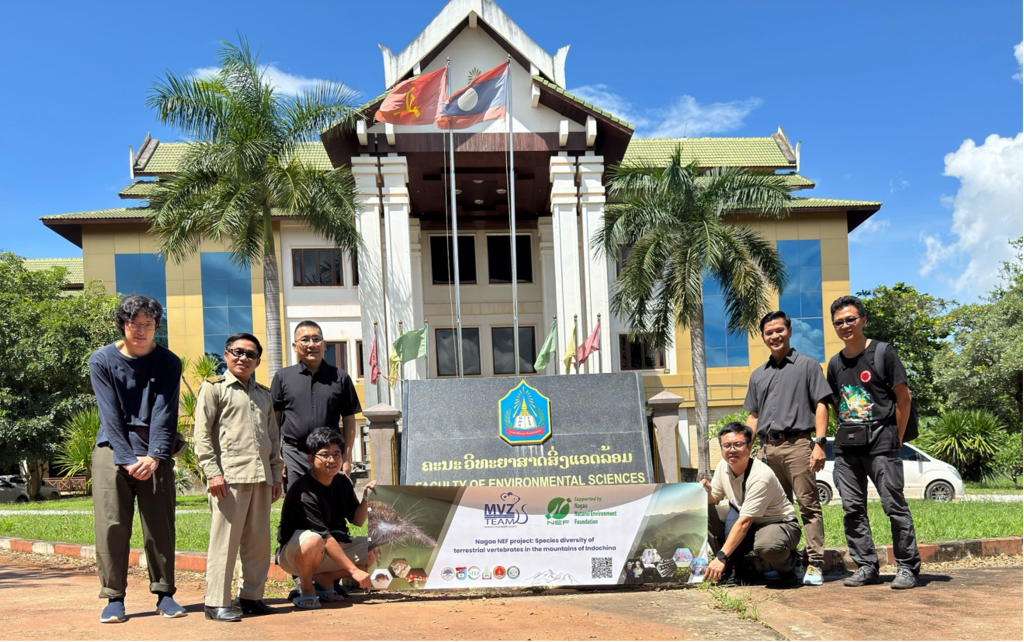
On September 1, the MVZ team met with Prof. Kaisone Phengsopha, Dean of the Faculty of Environmental Sciences (NUoL), to discuss ongoing cooperation and the role of international support in Laos–Japan–Vietnam-Cambodia biodiversity programs.
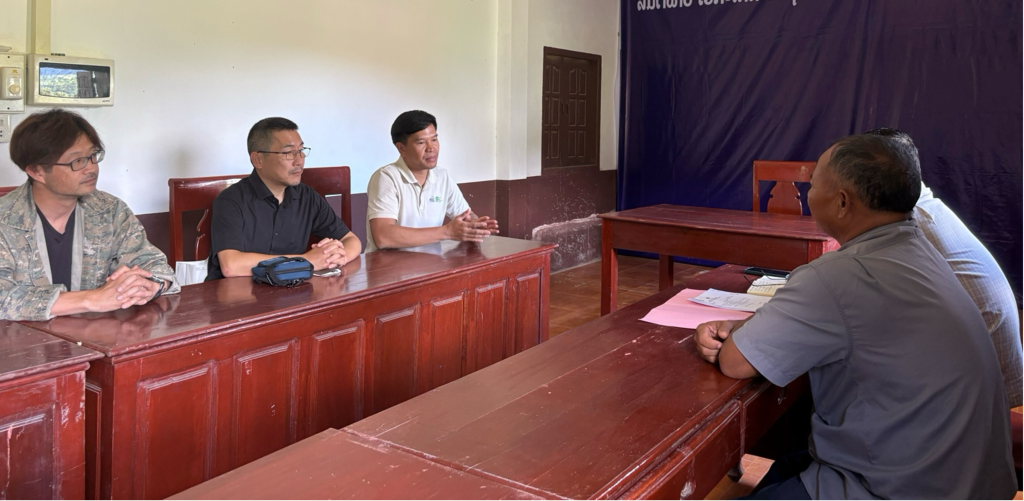
Throughout the survey, local officers from the Bolikhamxai Department of Agriculture and Environment and villagers from Phonekham and Ban On provided essential support.
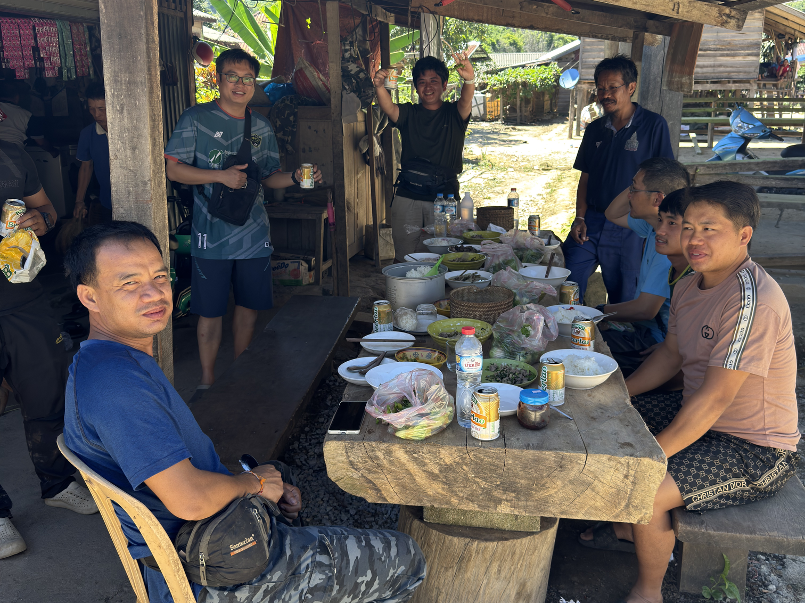
A community meeting was held on September 13, where researchers expressed gratitude to local authorities and shared information about wildlife conservation and sustainable practices
After field work, researchers conducted specimen cataloging, data management, and tissue sample organization at the FES–NUoL laboratories in Vientiane.
Informal discussions were also held about upcoming Indochina Vertebrate Diversity presentations and future collaborative activities among participating institutions
The 2025 field survey in Bolikhamxai Province demonstrated the effectiveness of international collaboration in advancing biodiversity science and conservation in Indochina.
Through shared expertise, standardized methods, and mutual learning, the MVZ Team continues to contribute to documenting and preserving the region’s remarkable vertebrate fauna.
Although this is the final field survey in Laos over the three years of the project “Species Diversity of Terrestrial Vertebrates in the Mountains of Indochina,” supported by the Nagao NEF, the outcomes of this collaboration will endure for years to come.